Brandon Grenier
Living on the Ledge staff writer
U.S. Census Bureau officials began collecting data this month on outdoor recreation for the U.S. Fish and Wildlife Service, which determines how they allocate funds from their budget. The local climbing spot known as ‘The Ledges’ in Oak Park that Grand Ledge is so famous for could receive government funding for maintenance through the survey; though not everyone agrees that the rock climbing hotspot should remain a recreation site.
Beginning on April 1, Census Bureau officials will be interviewing 53,000 households from across the nation about wildlife recreation. Grand Ledge climbers say they would like to see some of that money to have The Ledges maintained, but Mike Hood, Director and Chief Guide at Vertical Ventures, does not want people climbing there anymore, at all. For those who climb at The Ledges, and for the city that sees business from what Mike Hood estimates at around 8,000 visiting climbers each year, this is a controversial idea.
Vertical Ventures, an outdoor adventure company that was operated out of Grand Ledge for 19 years, stopped providing guided tours there about five years ago because of the apparent environmental impact. Vertical Venture Guides now drive as far as Ontario, Canada to teach. Hood, who said he has probably climbed at The Ledges more than any other person, now strongly opposes any use of The Ledges for recreation.
“It’s wrong, and it’s destructive to the park,” said Hood. “The cliff edge environment is in jeopardy, and hanging by a thread.”
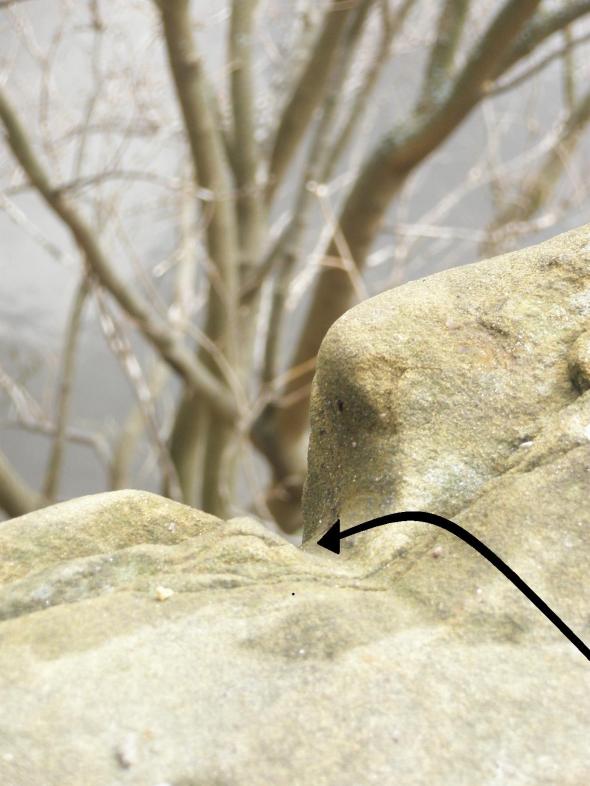
“Climbing is a high impact sport,” said Mike Hood, Director and Chief Guide at Vertical Ventures. “It’s a very small area affected, but it’s used so intensively that the cliffs are essentially sterilized.” Photo by Brandon Grenier
Hood explained that the ropes rock climbers use compact the soil on top of the cliffs, in turn smothering and killing the tree roots as the top soil erodes away. The ropes also erode the cliff-sides themselves, because the cliffs are made of soft and porous sandstone. He said he and his business partners put in between five and six thousand volunteer hours trying to restore and repair the cliff ecosystems, but ultimately realized there was only one solution.
“We were lying to ourselves,” said Hood. “If we really want to save the park, it needs to be closed from climbing.”
Read the rest of this page »


 Brooks Laimbeer
 Nicholas Bright
 Carlee Schepeler
 courtneyrivette
 grenierb
 livingontheledge
 mandilynkerr
